Entry · Ref X1IO4-HH
What to check before booking a buggy in Dubai
- Posted
- 2026-11-28
- Last amended
- 2026-11-28
- Account
- @buggydubaishop
Booking a buggy dubai experience sounds simple until the small details start to matter. A desert outing is not just a vehicle and a patch of sand. The value depends on the route, the type of buggy, the safety setup, the timing, and the rules that apply on the day. A short check before payment can prevent a mismatch between what a rider expects and what the outing actually offers.
The best way to compare options is to treat the booking as a set of practical questions. Some answers affect comfort, some affect safety, and some affect whether the trip suits the people going. The points below keep the focus on what a rider can reasonably ask before confirming a reservation.
Confirm the type of buggy and who can ride it
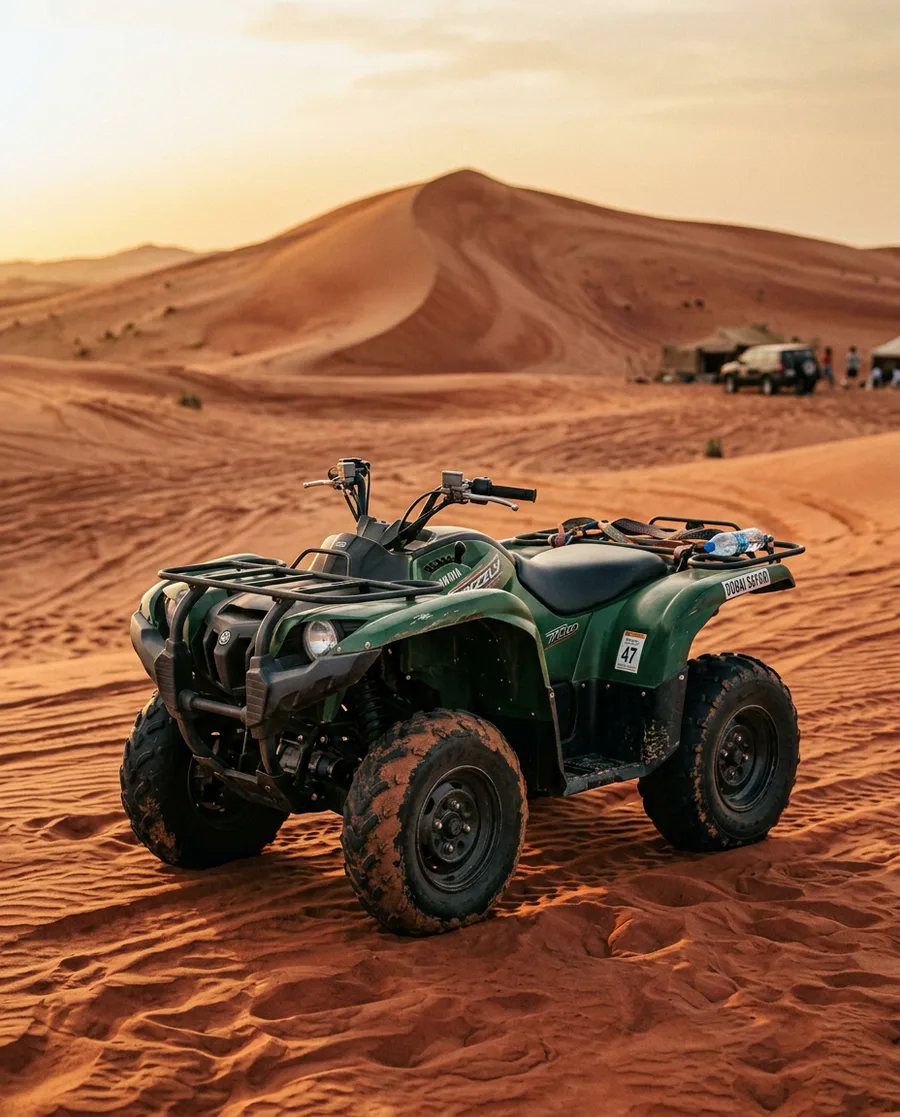
Start with the vehicle type. A single-seater buggy gives the driver more independence and a more direct feel on sand. A passenger buggy suits couples, friends, or families who want to share the ride. The distinction matters because not every outing allows every format, and a vehicle that looks similar online may have different seating, controls, or passenger rules.
Ask whether the driver needs prior off-road driving experience. Some routes are gentle enough for a first timer, while others involve sharper turns, steeper dunes, or longer stretches of rough ground. If the outing includes a briefing, find out what it covers. A clear introduction to steering, braking, following distance, and hand signals can make the drive calmer for everyone in the group.
Age and passenger rules deserve the same attention. A rider should not assume that a child can join just because a seat appears in photos. Check the stated minimum age, whether passengers must be accompanied, and whether there are restrictions for anyone with medical concerns. If the answer is unclear, ask before booking rather than on the day.
Look closely at the route and pace
The word desert can cover very different experiences. One outing may focus on open sand dunes and photo stops. Another may include a longer trail, mixed terrain, or a more spirited pace. Ask what the route is like in plain terms: flat sand, rolling dunes, narrow tracks, or rocky ground. This helps match the ride to the group's comfort level.
It is also worth asking how the pace is managed. A relaxed tour gives riders time to settle in and enjoy the landscape. A faster ride can feel exciting, but it asks more of the driver and can be tiring in hot conditions. For a first booking, a balanced pace is usually the safer choice. A rider can always look for a more demanding outing after gaining confidence.
Duration should be read with care. A headline time may include a briefing, stops, transfers, and the drive itself. Confirm how much of the total is actual driving. Two trips with the same advertised length can feel quite different if one spends a large share of the time stopped or waiting.
Check safety gear and basic conduct
Safety gear is not a minor detail. Ask what is provided and what riders should bring. Helmets are the main item to confirm, along with gloves or goggles where appropriate. Eye protection matters in sand, especially when the wind picks up. Closed shoes are also sensible because feet are close to the vehicle and the ground can be uneven.
clothing deserves attention too. Loose scarves, dangling straps, or anything that can catch on controls should be avoided. Sunglasses can help with glare, but they need to sit securely. Riders who wear prescription glasses should think about how they will keep them safe during a bumpy drive.
Good conduct on sand protects both people and vehicles. Keep a steady distance from other buggies, avoid sudden turns near riders, and follow the route marker or group signal. Do not attempt to test a vehicle beyond the agreed area. Sand can hide dips, hard patches, and soft sections that are hard to judge from a distance. If a rider feels unsure, slowing down is always better than trying to keep up.
Mechanical problems should be left to qualified professionals. Riders do not need to fix an unfamiliar vehicle in the desert. Signs such as odd noises, loss of power, poor steering response, or anything that feels unstable should be reported at once. The sensible response is to stop in a safe place and ask for help, not to keep driving in the hope that the issue disappears.
Compare inclusions without guessing
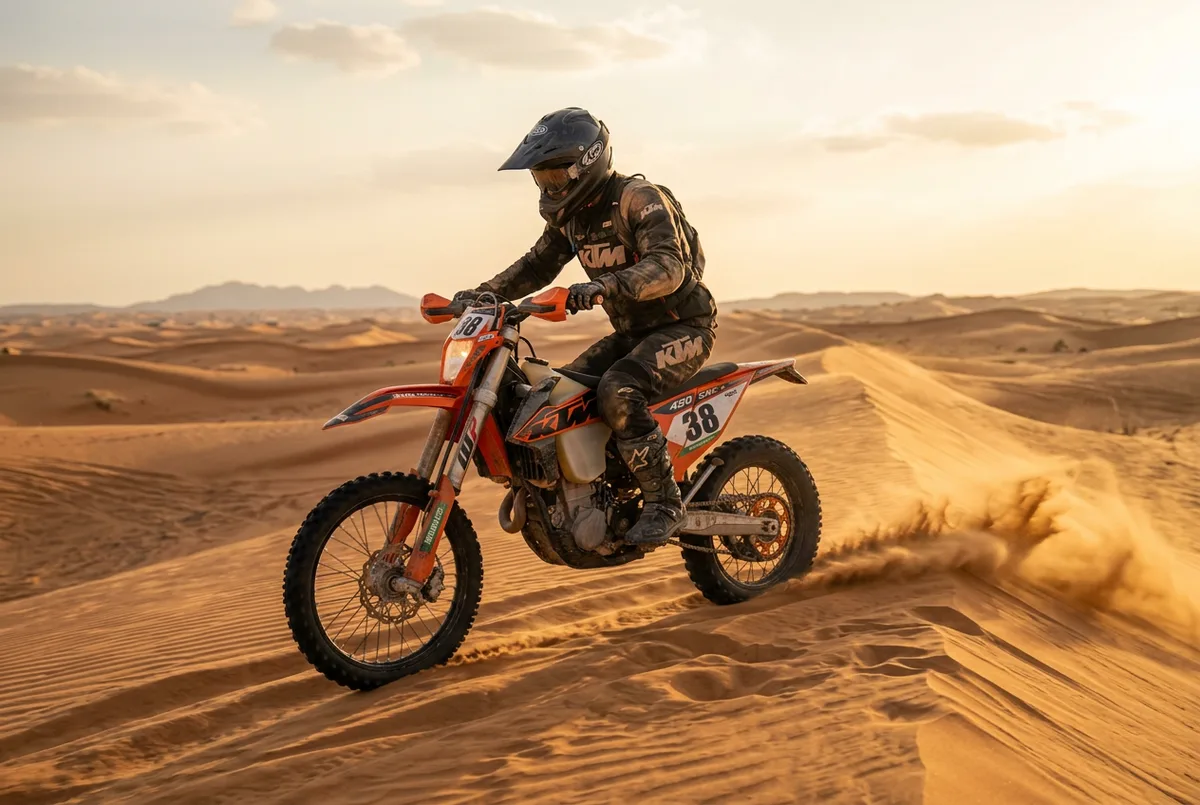
Many desert bookings include more than the ride itself. A desert safari may add stops, meals, entertainment, or time at a camp. These extras can improve the day, but they should not be assumed. Check what is part of the booking and what is optional. If a rider mainly wants time on the dunes, a short package with fewer extras may be a better fit than a long one built around camp activities.
Transfers are another point to clarify. The meeting place may be a central pickup point, a designated camp, or another location. Confirm how riders get there and what happens if they arrive late. For a group, this is especially useful because one delayed person can affect the whole booking.
When comparing providers, a clear source of information helps. The ATV Ride Dubai official site can be used as a reference point for the name and context of the brand, while the operator taking the booking should answer the practical questions in writing. Clear answers are more useful than vague promises. If a detail is missing, it is better to ask than to rely on assumption.
Read the terms before paying
Booking terms often explain the parts that become important only if plans change. Look at the cancellation window, rescheduling rules, and what happens if weather affects the outing. Desert conditions can shift, and a responsible plan should say how delays or changes are handled. Avoid relying on a verbal understanding when the written terms say something different.
Coverage and liability are also worth checking. Ask what is covered, what is not, and what the rider is responsible for if a vehicle is damaged through careless use. The aim is not to expect problems, but to understand the agreement before agreeing to it. A clear explanation at the booking stage prevents difficult conversations later.
Payment details should be straightforward. Confirm what is included in the quoted amount, whether any add-ons are charged separately, and when the balance is due. If the booking is made through a third party, check who handles changes and who to contact on the day. Keeping names and messages in one place makes the arrangement easier to follow.
Match the outing to the rider
Not every buggy ride suits every traveller. A nervous rider may prefer a shorter route with a calm pace. A confident rider who enjoys off-road driving may want more varied sand and fewer stops. A group with mixed abilities should choose an option that keeps the least experienced rider comfortable, since the pace of the group usually decides the quality of the experience.
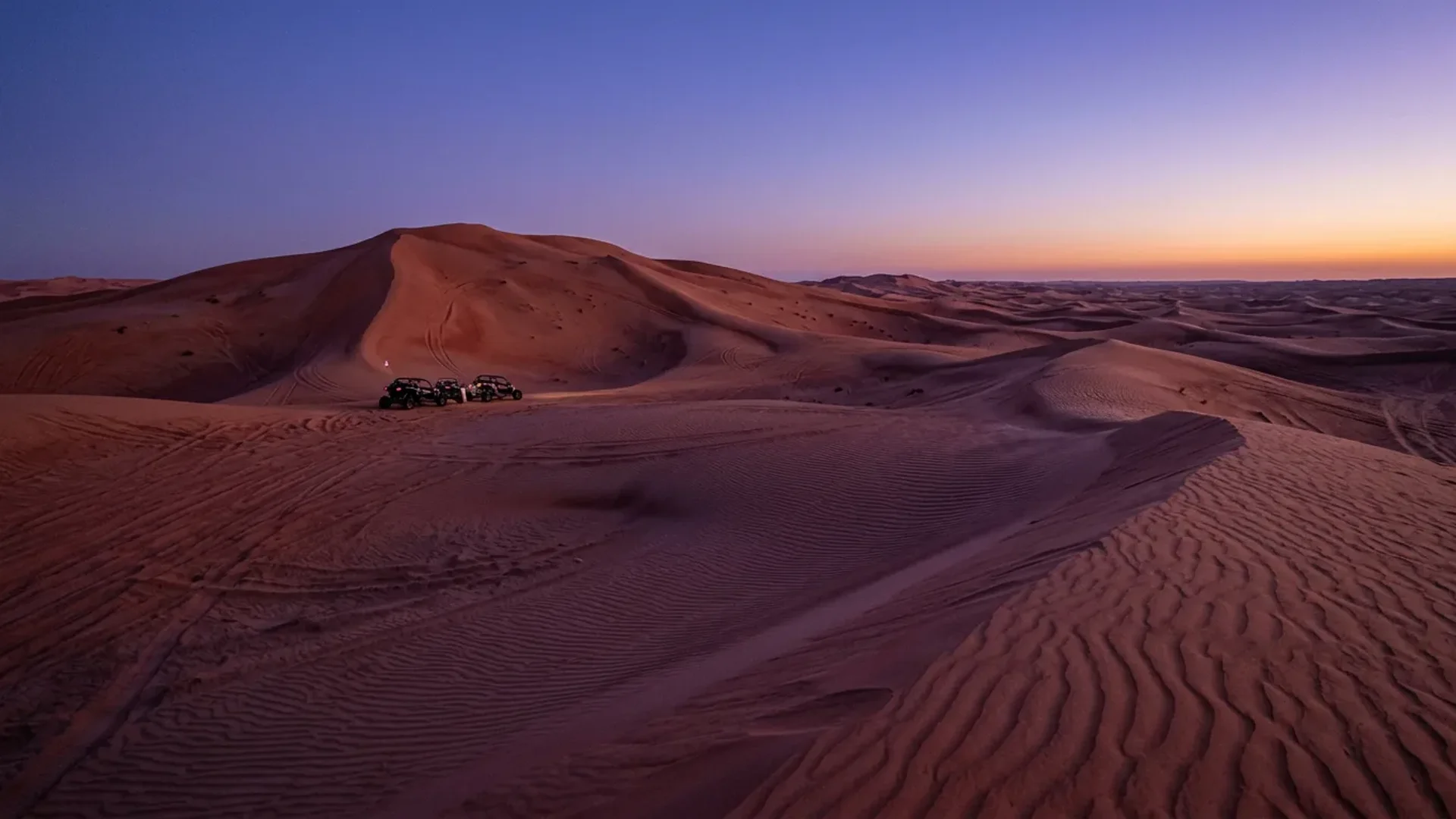
Weather and timing also shape the day. Midday heat can make helmets, gloves, and long drives less comfortable. Early or late slots may feel more pleasant, though they can be busier. Riders should think about sunlight, dust, and the amount of time spent outdoors before choosing a slot.
Photography is another practical point. Phones and cameras can collect sand quickly, so a sealed pouch or secure pocket is useful. A rider should not hold a phone while driving. If photos matter, check whether the route includes safe stops where the group can pause without blocking vehicles.
Anyone comparing the ATV Ride Dubai official site with other information should keep the same habit: verify the ride format, timing, safety gear, and terms before booking. A buggy dubai outing is easier to enjoy when the basics are settled first. The right choice is usually the one that fits the rider, not simply the one with the most impressive description.